

Brand:-
Model:-
MOQ:-0 -
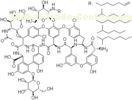
CAS 61036-62-2 Teicoplanin Antibiotics Drugs Inhibit Bacterial Cell Wall Synthesis
| Name | Teicoplanin |
| Synonyms | TEICOPLANIN;8327a;antibiotic8327a;teichomycin; Teocoplanin;Telicoplanin;TEICOPLANIN, JP;TeicoplaninSodium |
| Molecular Formula | C77H77N9O31Cl2.R |
| Molecular Weight | 1709.39 |
| CAS Registry Number | 61036-62-2 |
Description:
Teicoplanin is an antibiotic used in the prophylaxis and treatment of serious infections caused by Gram-positive bacteria, including methicillin-resistant Staphylococcus aureus and Enterococcus faecalis. It is a semisynthetic glycopeptide antibiotic with a spectrum of activity similar to vancomycin. Its mechanism of action is to inhibit bacterial cell wall synthesis.
COMPANY INTRODUCTION:
Our company, as one of the most experienced exporter in China,specializes in API
and medicine intermediates. We export large quantity to USA,Europe and many other
countries all of the world, deal to high quality and reasonable price.
Patent Disclaimer:
1. Products protected by valid patents are not offered for sale in jurisdictions where the sale of such products constitutes a patent infringement. The current list only reflects the products and technologies that are available, under development: note that some products may be developed or produced for internal and experimental uses with no commercal aim.
2. Sales of products are limited to those allowed by Chapter VII PLPRC 63, the above includes Research and development quantities.
3. R&D use in accordance with (1) 35 USC 271(e)+A13(1) in the U.S.; (2) Section 69.1 of Japanese Patent Law in Japan; (3) Section 11, No. 2 of the German Patent Act of 1981 in Germany; (iv) Section 60, Paragraph 5b of the U.K. Patents Act of 1977 in the U.K.; (4) Sections 55.2(1) and 55.2(6) and other common law exemptions of Canadian patent law; (5) Section 68B of the Patents Act of 1953 in New Zealand together with the amendment of same by the Statutes Amendment Bill of 2002; (6) such related legislation and/or case law as may be or become applicable in the aforementioned countries; and (7) such similar laws and rules as may apply in various other countries.


